



The Ease of Evergreen HerbsIf beauty isn’t enough for you, and you desire more from your
containers, flowerbeds and landscapes, evergreen herbs will appease
you. You don’t need to be an expert gardener or a
chef to enjoy the ease of growing herbs. Evergreen herbs are low
maintenance. They can take a beating in our Northwest weather.
There are three categories of herbs: perennial, annual and
evergreen. Perennial herbs come back ever year, but will go dormant
in the winter. Annual herbs live only one season and must be
reseeded/replanted. Evergreen herbs provide year-round
foliage and seasonal flowers. This makes evergreen herbs a fantastic
addition to any herb garden, adding structure and shape year
round. Evergreen herbs are also a creative addition to flowerbeds and
containers.
In the case of most herbs, you want to plant evergreen herbs in a
sunny spot with well drained soil. Evergreen herbs need a slow
release fertilizer that has a balanced N-P-K.
Most can be pruned at any time which allows for year round harvesting for
those who want to use the herbs for more than an aescetic
purpose. If you want to grow evergreen herbs for cooking,
plant the herbs in a container outside, near your kitchen door where it
will receive rain, or in a close by flowerbed. You will be more apt
to use the herbs if you can keep from getting soaked while preparing your
dinner.
If you don’t harvest your evergreen herbs you will still want
to prune them regularly for shape and the health of the plant. When
you prune, remove any damaged or diseased parts. Try to prune lightly
throughout the growing season. You can always freeze or dry the extra for
future use. Do any major pruning in two parts: once in winter and
once in early spring.
Evergreen herbs are typically available year round. There are
many different types of evergreen herbs. For every type of evergreen
herb there are also different varieties available. Here
are a few of our favorite evergreen herbs.
Sage – Salvia officinalis
This is a large category. At Al’s Garden Center we grow
both evergreen and deciduous varieties. Deciduous sages are typically
more upright and host beautiful blooms and fragrant foliage. They are
also a little more temperamental and are not a culinary herb
unlike their evergreen cousins, Salvia
officinalis. This traditional culinary variety is a
Mediterranean herb. It grows best in a dry, sunny location and is
good for drought tolerant
landscape designs. It will also adapt to growing areas that only have
sun in the mornings or afternoons. Lucky for us in the Northwest, it
doesn’t mind our rains.
Two of the most popular varieties of evergreen sage are purple sage
and tricolor sage. Purple sage has fuzzy, thick silver and purple
leaves and light purple flowers. Tricolor sage has fuzzy variegated
leaves of white, yellow and green. Tricolor has small white
flowers. With their great evergreen color, both
varieties have become extremely popular additions to container
designs.
Lavender - Lavandula
There are so many varieties of lavender, making them one of the most
popular herbs. Like the other evergreen herbs, they are very easy to
care for. French chefs in and around Provence, France have been
incorporating this herb into their cuisine for many centuries. In the
United States, it has become popular for it’s aromatic flowers and
foliage. The fragrant flower spikes are traditionally dried and used
in storage to keep clothing fresh and deter moths. Lavender is also
used in aromatherapy to help with relaxation.
Lavender is a beautiful addition to a container or a
landscape. As a Mediterranean plant, after being established,
lavender is great for drought
tolerant designs.
Rosemary – Rosmarinus
officinallis
The name rosemary has nothing to do with the rose or the name
Mary. Its Latin name is rosmarinus, which means “dew
of the sea”. Also native to the Mediterranean
region, rosemary is one of the most popular cooking herbs. Its
fragrant gray-green, needle-like leaves are found in many chicken and lamb
dishes. Rosemary has a woody trunk and branches. Some upright
varieties can grow to be nice sized shrubs if allowed. There are also
trailing varieties that look and work fabulously in containers. The
white, pink, purple, or blue flowers will bloom up the young, new
branches.
Thyme – Thymus
Thyme, pronounced “Time”, can be found throughout
history. It was used for embalming in Ancient Egypt. Ancient
Greeks used it in their baths and burnt it as incense, believing it gave
them courage. It was used throughout Europe to purify rooms and ward
off nightmares. Thyme is most widely used in French, Italian and
Lebanese cooking. It retains its flavor when dried better than many
other herb.
Like rosemary, thyme has upright varieties and creeping
varieties. Their small evergreen leaves of the low mounting thyme
makes a beautiful addition to rock gardens, flowerbeds and
containers. Thyme has also been bred for use as a
high-traffic, groundcover for pathways. Stepping on thyme groundcover
releases the fragrance and doesn’t harm the plant. The upright
varieties are best to use for flavoring.
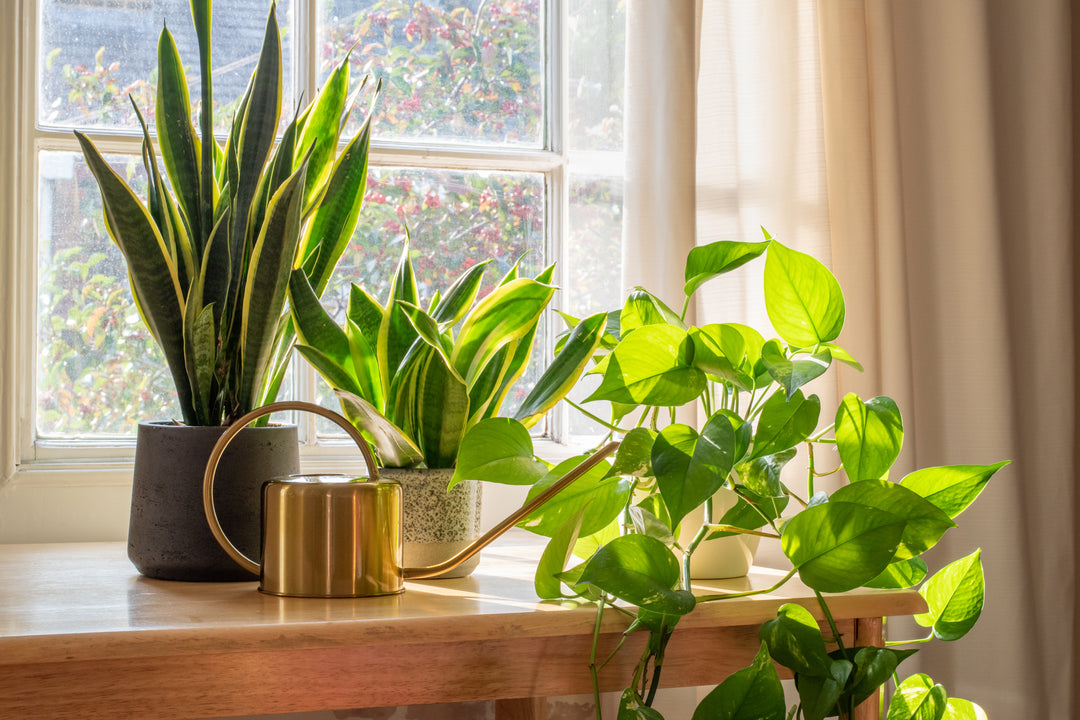
Sage, lavender, rosemary and thyme can also be grown indoors as
houseplants. Grow them near a sunny window and water when needed. This
way, they are very handy when you cook.
These are just a few of our selections of evergreen herbs for those
of you who enjoy multipurpose plants. You can contact any of our
stores to learn more about our available varieties, and begin planning a
four season garden.
|
|